
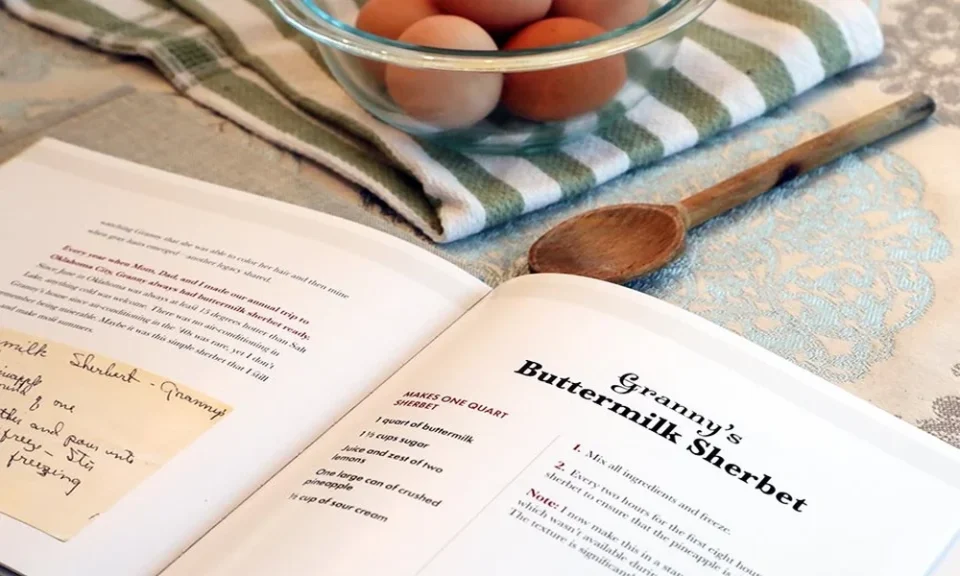
Every family has a dish that tastes like home. It might be a grandmother’s Sunday roast, an uncle’s famous barbecue sauce, or the chocolate chip cookies that always show up at birthdays. These recipes are more than instructions for food. They carry memories, traditions and stories passed from one generation to the next. A family recipe book is one of the best ways to keep them alive.
More Than Just Food
Many of the best family recipes were never written down. They lived in someone’s head and were made by memory, with a pinch of this and a handful of that. When the person who knows them is gone, the recipe often goes too. A family recipe book saves these dishes before they’re lost.
But a recipe book also saves the stories behind the food: why Grandpa always made pancakes on Saturday mornings, how a holiday stew came over from the old country, or the funny story of the first time someone burned the Thanksgiving pie. These moments turn a simple collection of recipes into a family history that people can read, cook from and enjoy.
Bringing Generations Together
Making a family recipe book is a great project to share. Older relatives can teach the dishes they grew up with, and younger family members can help write, photograph and organize them. Cooking side by side gives children and grandchildren a chance to ask questions, hear stories and learn skills they’ll keep for life.
For families who live far apart, the project can be done together from a distance. Relatives can send recipes by email, share photos and record short videos of themselves cooking. The finished book becomes something everyone helped create.
How to Start Your Own Family Recipe Book
Making a recipe book doesn’t have to be hard. Here are some simple steps:
- Collect the recipes. Ask family members for their favourite dishes. Look for old recipe cards, notebooks and handwritten notes in kitchen drawers.
- Write down the details. If a recipe was made by memory, cook it together and measure as you go. Note the exact amounts, temperatures and cooking times.
- Add the stories. Beside each recipe, include who it came from, when it was usually made and any memories connected to it.
- Include photos. Pictures of the finished dish, the cook, or old family gatherings make the book personal and beautiful.
- Organize it. Group recipes by type, such as breakfasts, main dishes, desserts and holiday favourites, or by family member.
- Choose a format. You can make a simple binder, design a printed book online or create a digital version everyone can access.
Keep the Handwriting
One special touch is to scan or photograph handwritten recipe cards. Seeing a loved one’s handwriting, complete with notes in the margins and a few old stains, adds warmth that typed text can’t match. Many families say these pages become the most treasured part of the book.
A Gift That Lasts
A family recipe book makes a wonderful gift for weddings, new homes, holidays or family reunions. It gives the next generation a piece of their heritage to cook from, add to and one day pass on to their own children.
Most of all, a family recipe book reminds us that food is about connection. Each recipe brings the people we love back to the table, even when they can’t be there in person. Start yours today, one recipe and one story at a time, and give your family a gift it can enjoy for generations.
