
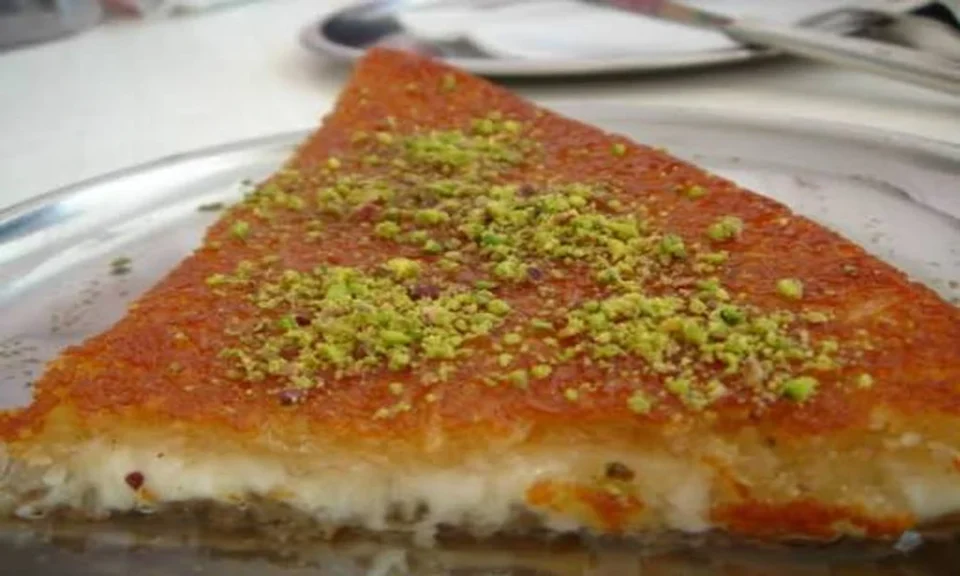
To give Middle Eastern desserts a special touch, the sweet treats are made crispy, filled with rich fillings and topped with sweet syrup. Kunafa is one such notable dessert, a preferred choice for many for its unique taste and flaky texture.
But the question still arises: what is kunafa, and how is it related to baklava? Continue exploring its key ingredients, origin and preparation method while discovering how kunafa baklava blends two beloved dessert traditions together. Read on to know more.
Kunafa: What is it?
Kunafa is a popular Middle Eastern dessert characterised for its crispiness and sweet, creamy filling. It typically comprises a thin, shredded pastry known as kataifi, which provides a golden and crunchy outer layer. These kunafas are filled with soft cream, cheese or nuts, with sugar syrup drizzled all over them.
The dessert has a crisp exterior and a rich, soft centre. While discussing about kunafa baklava, it combines two Middle Eastern desserts that provide a perfect mix of texture and flavour.
How is Kunafa Sweet Made?
Ingredients Required
You might be wondering: what are the ingredients required to make kunafa sweets? Here they are:
- Kataifi noodles
- Cheese or cream filling
- Nuts and toppings
- Sugar syrup
These combinations of ingredients provide a fine texture and delicate taste of kunafa, turning it into a must-try dessert for those looking for Middle Eastern desserts.
Step-by-Step Procedure to Make Kunafa
Here is a detailed step-by-step process to follow to make the kunafa sweet:
Step 1: Take a bowl and pour some ghee into it. Lightly toast the kunafa noodles in the butter or ghee until crispy.
Step 2: Between the pastry layers, spread the cream, cheese and nut paste evenly.
Step 3: Bake this layered dessert until the top layer becomes crispier and golden brown.
Step 4: Sweet sugar syrup combined with orange or rosewater is poured over the hot kunafa and allowed to soak to enhance its flavour.
Step 5: For garnishing, sprinkle nuts and edible seeds on top before serving.
Following these steps gives kunafa a crunchy, soft texture you can enjoy.
Is Kunafa a Variant of Baklava?
Kunafa and baklava are both popular Middle Eastern desserts, but they are not similar. Both use nuts and sweet syrup, but their preparations and textures differ. Kunafa typically has a thin layer of kataifi pastry coated all over with a soft cheese or cream filling.
On the other hand, Baklava is made with layers of thin phyllo pastry stuffed with chopped nuts. Both desserts have a sweet flavour and taste delicious. Though they contain similar ingredients, kunafa is not a variation of baklava. They are two very different desserts with different flavours and eating experiences.
What are the Differences in Kunafa and Baklava?
Both kunafa and baklava are popular desserts in the Middle East. They share some common ingredients, such as pastry, nuts and sugar syrup. However, their fillings, textures and methods of preparation are different.
The key differences between these two desserts are the following:
Pastry Used
Kunafa is made from thin, shredded pastry strands known as kataifi. When baked, these strands give a crispy outer layer. Whereas the thin sheets of phyllo pastry form the basis for Baklava. For a flaky texture, bakers layer these sheets with butter.
Ingredients and Filling
Kunafa comprises soft cheese, cream, and crushed nuts. The centre of kunafa is rich and creamy for its filling. Baklava consists primarily of chopped nuts, such as pistachios, walnuts or almonds. These nuts provide a crunchy filling between the pastry layers.
Preparation Method
Bakers spread the shredded pastry in a tray, add the filling and then top it with another pastry layer to prepare kunafa. They are baked until they turn golden and crispy. Baklava is made from several layers of buttered phyllo pastry with a nut mixture filling in between. Bakers slice it into pieces and prepare it for baking.
Taste and Texture
Kunafa is crispy on the outside and doughy and creamy on the inside. Baklava has a flaky texture with crunchy nuts mixed in every bite. A sweet syrup is used in both these desserts, which turns the dessert a sweet taste.
Conclusion
Kunafa brings about variety in the traditional Middle Eastern desserts. When combined with similar ingredients, it provides a new flavour to enjoy classic sweets. Understanding the origin of Baklava and its preparation method helps you appreciate the culture behind these sweet treats.
Whether you want to try traditional dessert recipes or other modern dessert combinations, exploring such desserts is a worthy experience. Overall, it is a convenient way of discovering the rich cultural food heritage of the Middle East.
